- Free shipping*
- 100 days returns
- Low prices
- 5 million products
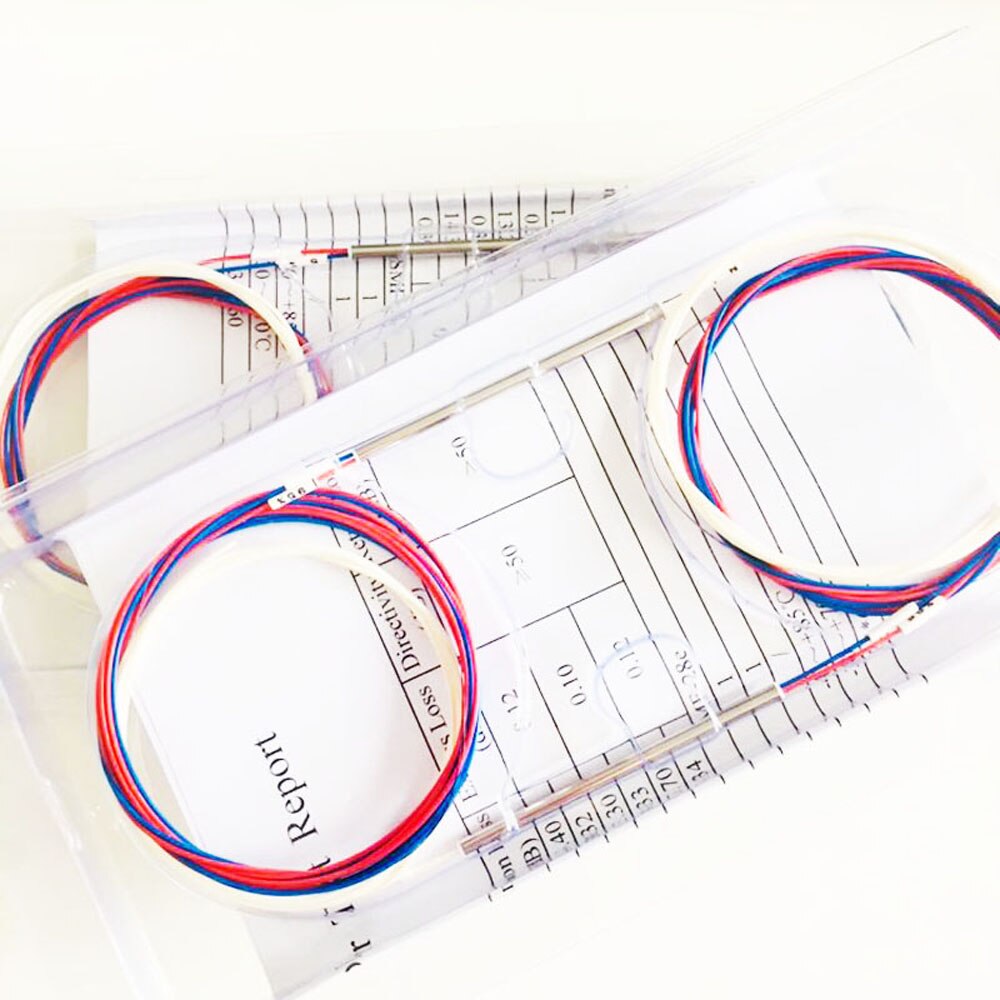
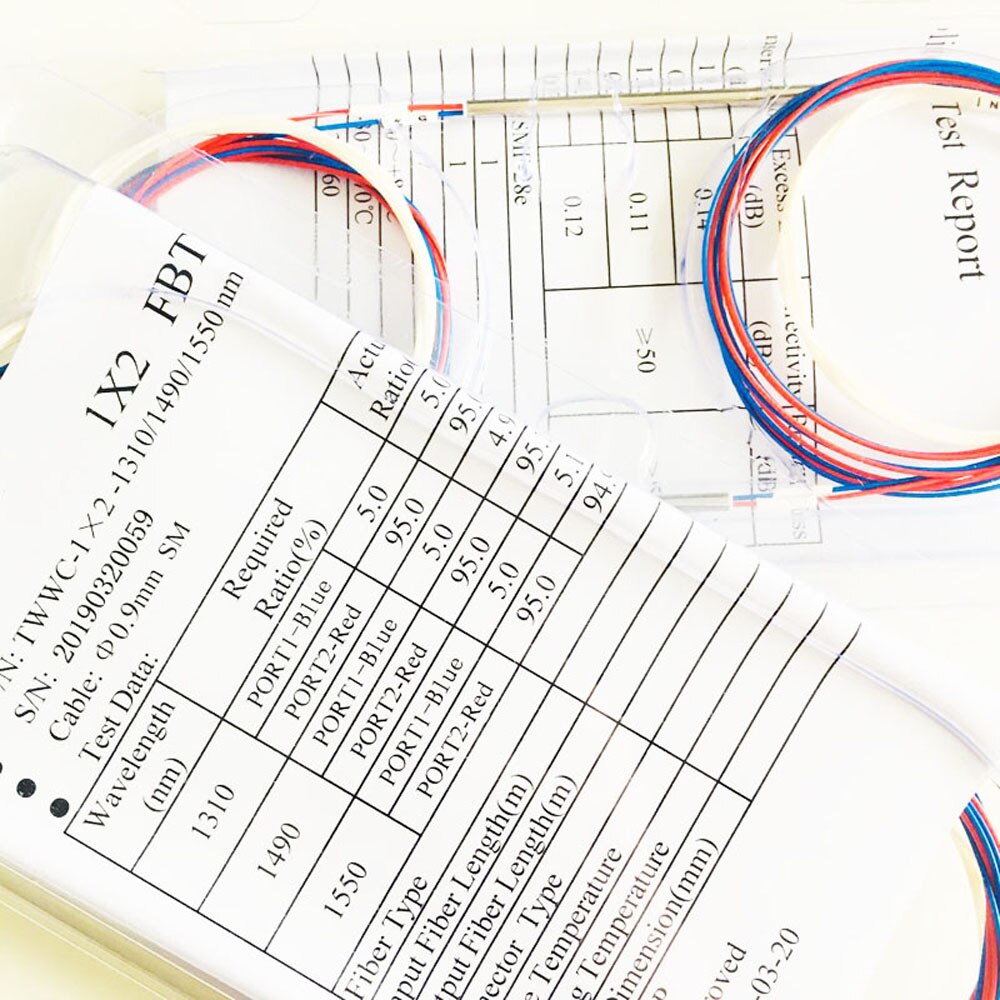

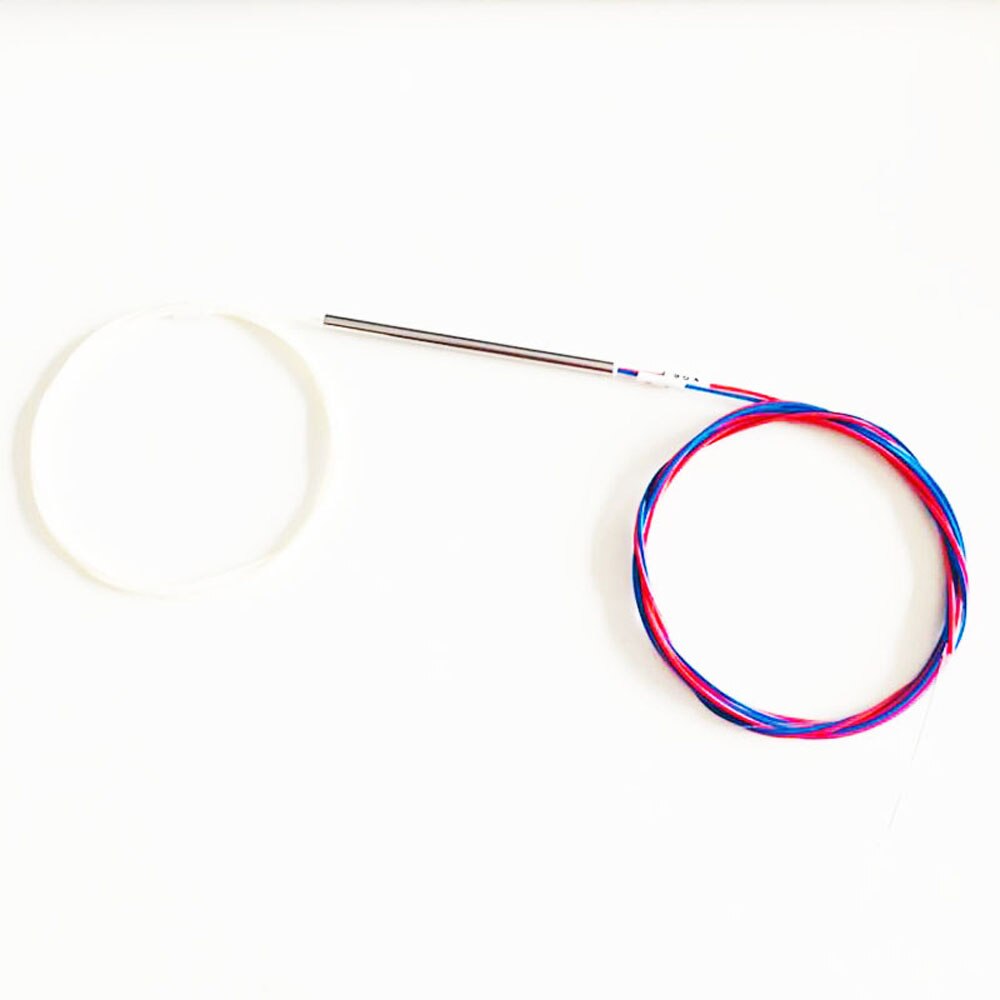
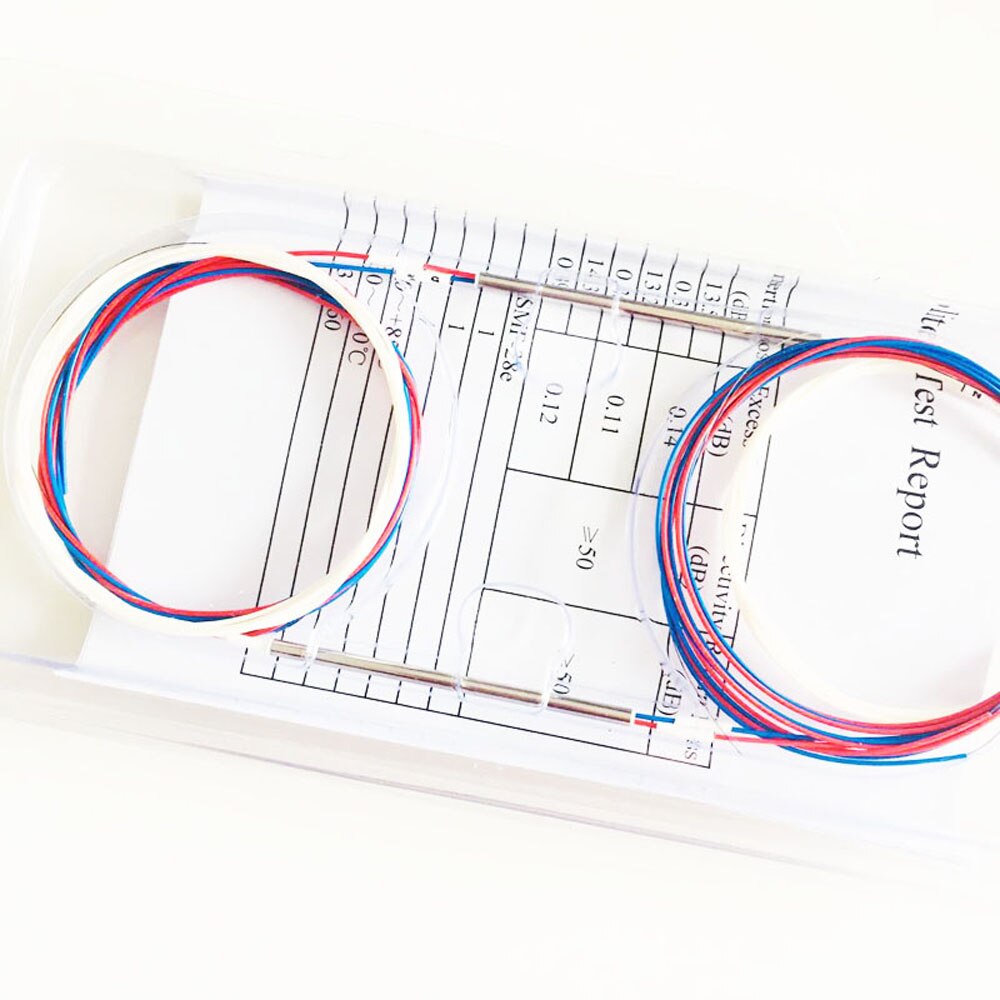
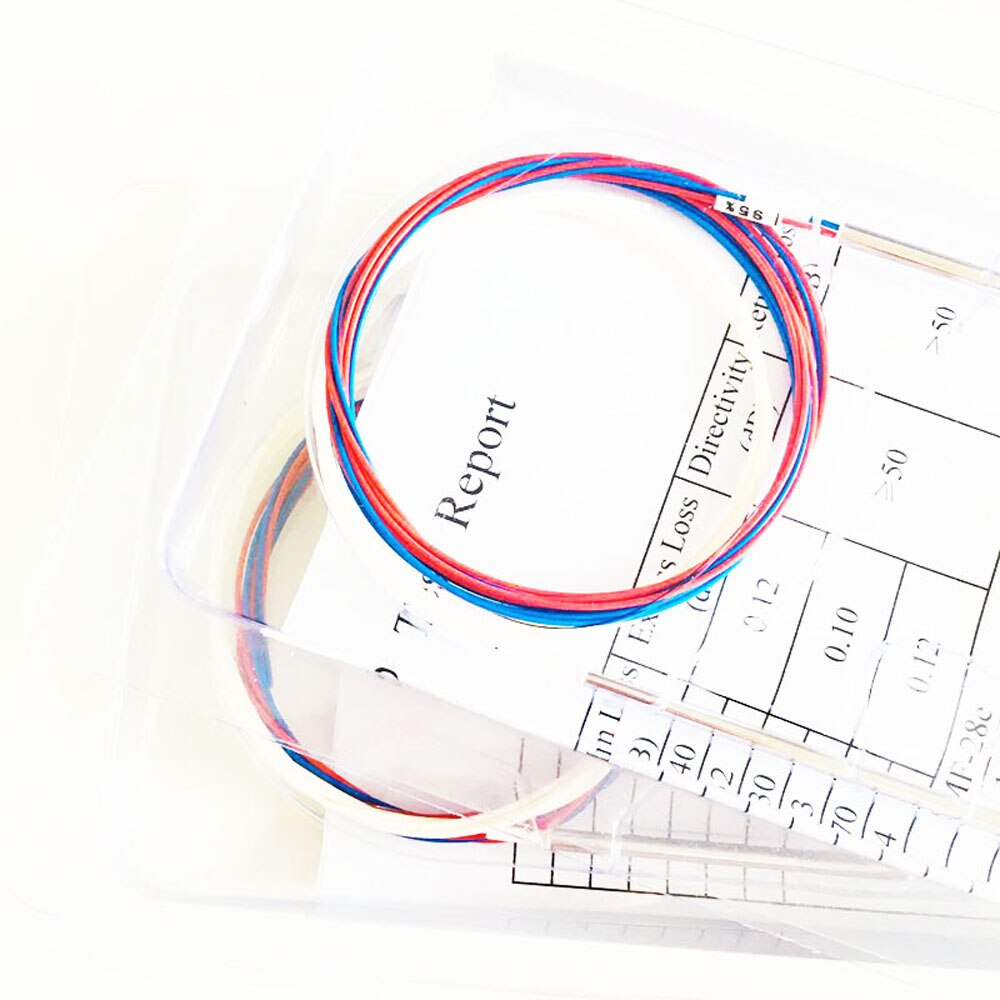
10x Fiber Optic Splitter FBT Coupler - 1x2 Split Ratio - Single Mode Hybrid Connector
What is an FBT Fiber Optic Splitter?
This product is a set of 10 FBT (Fused Biconical Taper) fiber optic splitters designed for dividing optical signals. Each splitter acts as a 1x2 coupler, meaning it takes one input fiber and splits it into two output fibers. They are supplied without connectors, allowing for custom integration into existing fiber optic networks.
- Pack of 10 FBT fiber optic splitters
- 1x2 coupler configuration
- Supplied without connectors for flexible installation
What are the Key Specifications?
The splitters utilize single-mode fiber, which is standard for long-distance and high-bandwidth data transmission. They feature a hybrid connector type, offering versatility in connection methods. The item length is 1 meter, providing sufficient reach for most installations. These splitters are engineered to support various optical signal division ratios, including 95/5, 90/10, 85/15, 80/20, 75/25, 70/30, and 50/50, catering to different network requirements.
- Fiber Type: Single Mode
- Connector Type: Hybrid
- Item Length: 1m
- Available Split Ratios: 95/5, 90/10, 85/15, 80/20, 75/25, 70/30, 50/50
Which Devices are Compatible?
These fiber optic splitters are designed for compatibility with major networking equipment manufacturers. They are confirmed to work with devices from Mikrotik, Huawei, and H3C. This broad compatibility ensures seamless integration into existing enterprise and telecommunications infrastructure, facilitating efficient signal distribution.
- Compatible with Mikrotik devices
- Compatible with Huawei devices
- Compatible with H3C devices
Specifications:
- Model Number: zml
- Item Length: 1m
- Fiber Type: Single Mode
- Connector Type: Hybrid
Frequently Asked Questions:
What is an FBT fiber optic splitter?
An FBT fiber optic splitter is a device that divides a single optical fiber input into two outputs. This pack contains 10 such splitters, designed for single-mode fiber networks.
What split ratios are available with these splitters?
These splitters support a range of ratios including 95/5, 90/10, 85/15, 80/20, 75/25, 70/30, 50/50, and others like 2/98, 15/85, 10/90, 25/75, 20/70, 40/60, 30/70, 1/99. The specific ratio is indicated by the variant.
Are connectors included with these splitters?
No, these FBT fiber optic splitters are supplied without connectors. This allows for custom termination and integration into your specific fiber optic setup.
What type of fiber and connector do these splitters use?
The splitters are designed for single-mode fiber, which is standard for high-speed, long-distance data transmission. They feature a hybrid connector type for versatile connectivity options.
Are these splitters compatible with my networking equipment?
Yes, these splitters are compatible with popular networking brands such as Mikrotik, Huawei, and H3C, ensuring easy integration into many existing network infrastructures.
- Free shipping*
- 100 days returns
- Low prices
- 5 million products